
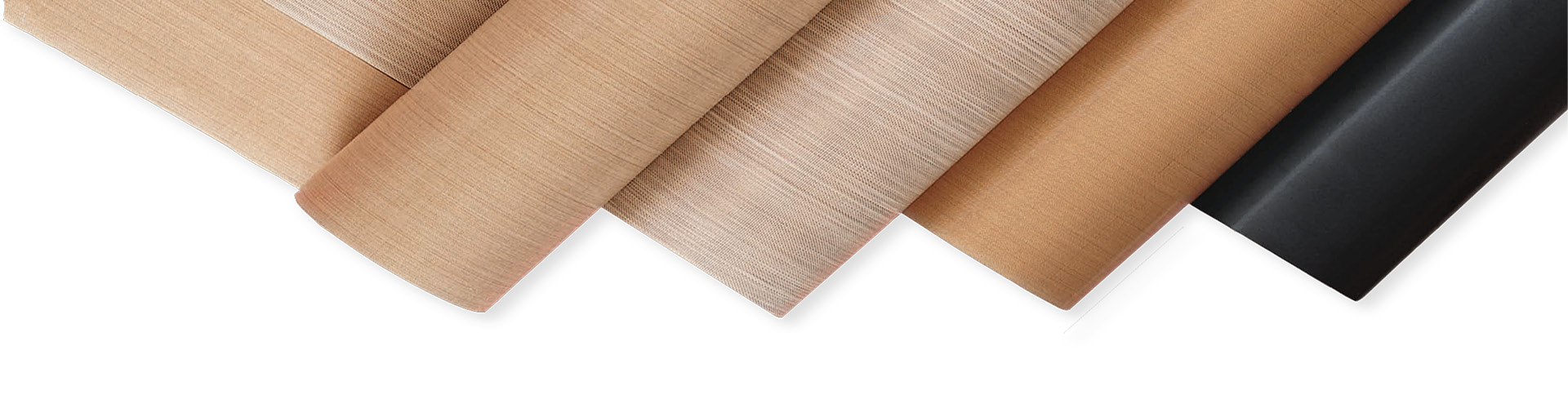
Anti-Static Fabric
Anti-Static Conductive
PTFE Coated
Fiberglass
Fabric
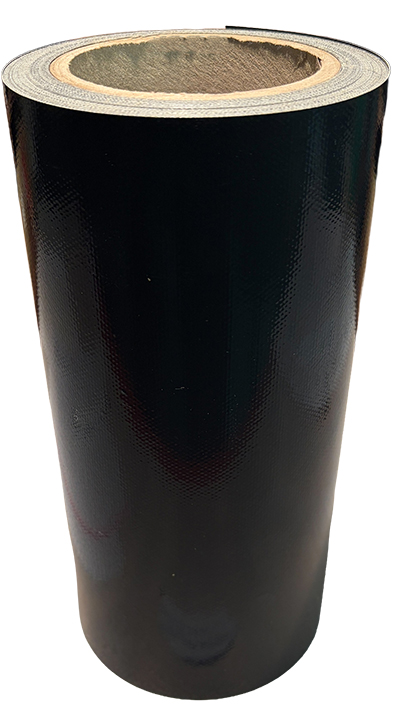
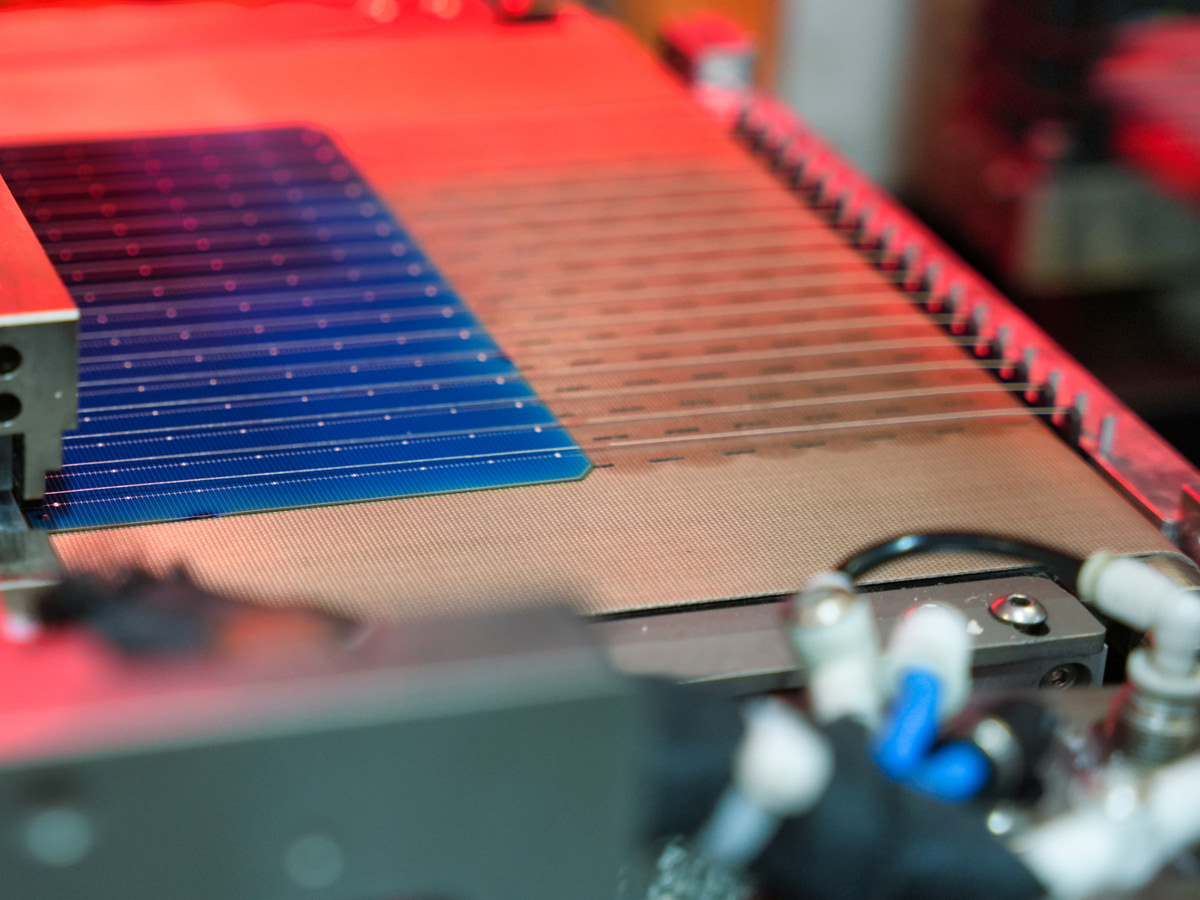
Taconic anti-static and conductive PTFE coated fiberglass fabrics are engineered for industrial applications where static control, release performance, heat resistance, and dimensional stability are important.
These coated fiberglass fabrics help reduce static build-up while maintaining useful PTFE release characteristics, chemical resistance, durability, and heat-resistant performance for demanding process environments.
Anti-static and conductive PTFE fabrics are commonly used in static-sensitive production environments, conveyor systems, process surfaces, release applications, and industrial equipment where electrical dissipation is required.
Performance Advantages
Why choose this
fabric construction?
Static Control
Designed to help dissipate static build-up in production environments where electrostatic discharge can affect process performance.
Conductive Options
Available in anti-static and conductive constructions for applications requiring electrical dissipation and process stability.
PTFE Release
Maintains useful non-stick release characteristics for conveying, processing, fabrication, and release surface applications.
Industrial Durability
PTFE coated fiberglass construction provides heat resistance, dimensional stability, and chemical resistance for industrial use.
Common Applications
Built with
static dissipation
in mind.
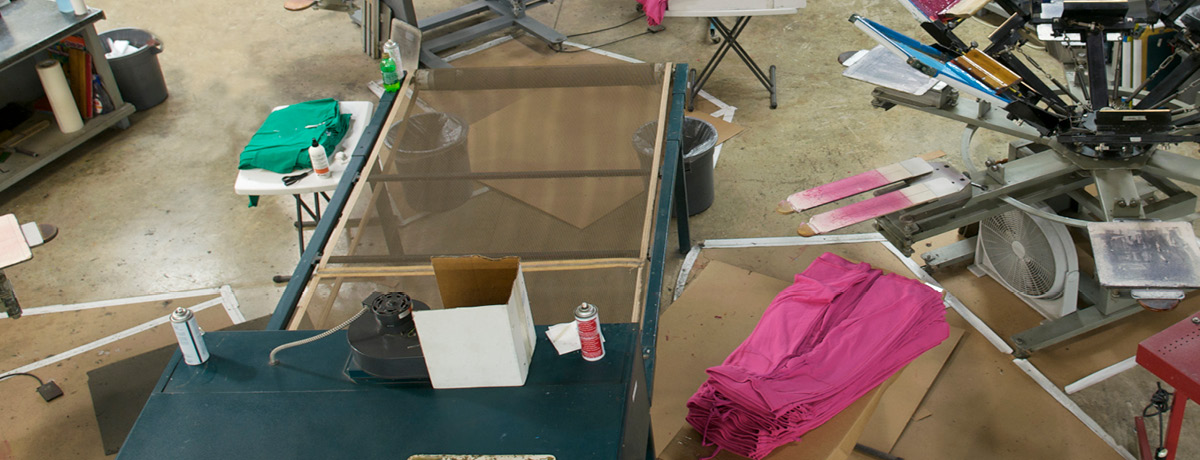
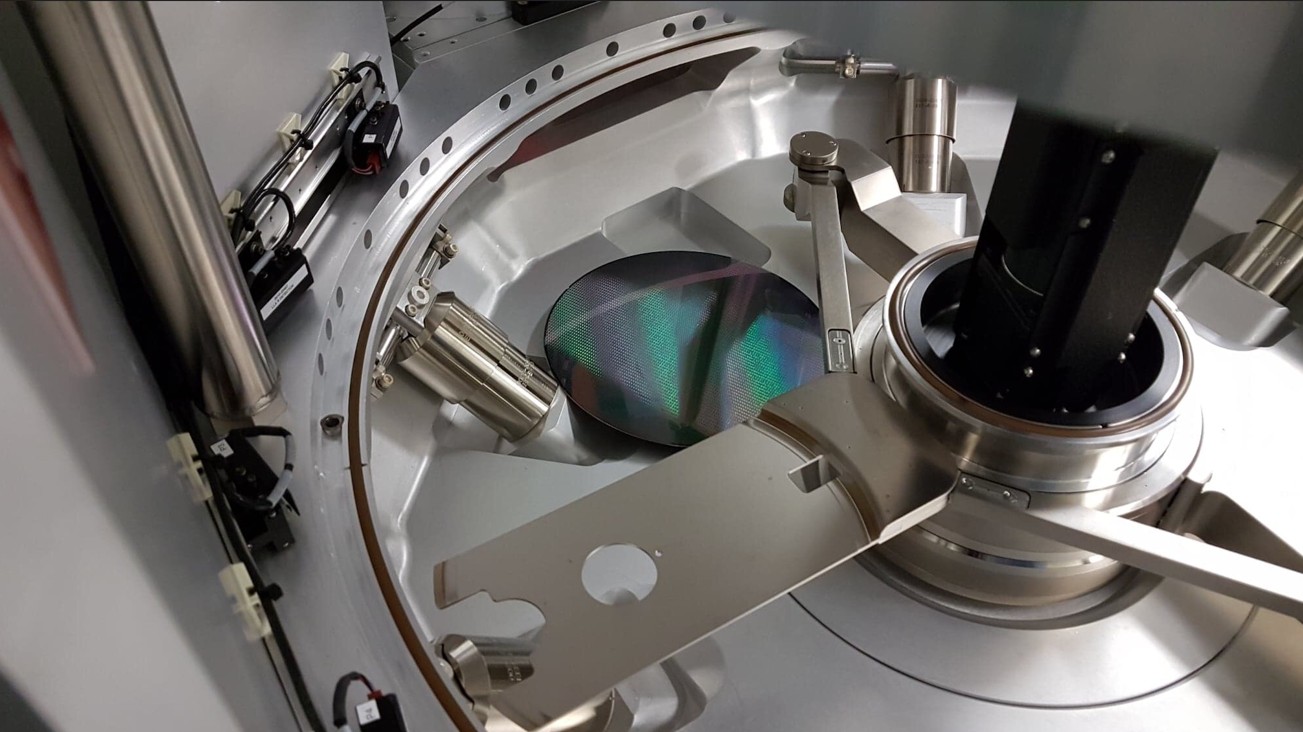
Anti-static and conductive PTFE coated fiberglass fabrics are used where static dissipation, release performance, heat resistance, and process stability are important.
Product Values
Anti-Static/Conductive
PTFE coated fiberglass fabric
products & specifications.
Compare available anti-static and conductive PTFE coated fiberglass fabric products by thickness, coated weight, tensile strength, tear strength, dielectric performance, and maximum width.
Product numbers link to product pages with additional information and data sheets.
| Product Page | Nominal Thickness (Inches) | Total Coated Weight (lbs/sq yd) | Tensile Strength Warp/Fill (lbs/inch) | Tear Strength Warp/Fill (lbs) | Dielectric Breakdown (volts/mil) | FDA Compliant | Max Width (Inches) |
|---|---|---|---|---|---|---|---|
| 7053AS | 0.0043 | 0.44 | 155/150 | 6.25/6.25 | — | N | 42 |
| 7063AS | 0.0055 | 0.55 | 150/150 | 6.25/6.25 | — | N | 38 |
| 7103AS | 0.0095 | 0.90 | 280/210 | 8.5/8.0 | — | N | 94 |
| 7143AS | 0.014 | 1.36 | 400/335 | 11.5/7.5 | — | N | 104 |
| 7305KAS | 0.035 | 0.60 | 450/350 | — | — | N | 126 |
The data herein are averages based on the authoritative testing of several lot numbers. This information is intended for comparison purposes only.
Fabric FAQ
Common questions about
anti-static fabric.
What is anti-static PTFE fabric used for?
Anti-static PTFE fabric is used in applications where static control, release performance, heat resistance, and process stability are needed.
How is anti-static/conductive fabric different from regular PTFE fabric?
Anti-static/conductive PTFE fabric is constructed to help dissipate static build-up, while standard PTFE fabric is generally selected for release, heat resistance, and chemical resistance without static control requirements.
Where should anti-static PTFE fabric be considered?
It should be considered for static-sensitive processing, conveying, release surfaces, process equipment, and industrial environments where static build-up can create production or end product quality issues.
Need help selecting a fabric?
Taconic can help match static control needs, thickness, release performance, FDA compliance, tensile strength, and coating type to your application.
Contact TaconicRelated Fabric Pages
Explore more
industrial fabric options.
Industrial Fabrics
Explore the full
coated fabrics lineup.
Review all PTFE coated fiberglass fabrics, silicone coated fabrics, open mesh materials, porous fabrics, and specialty coated constructions.
View All Fabrics