
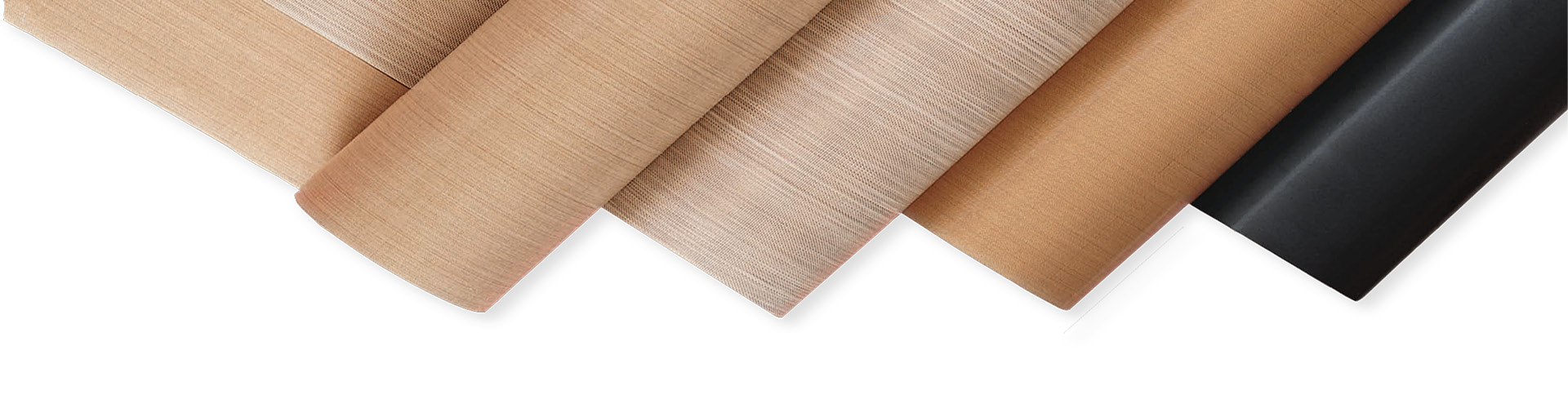
Industrial Fabrics
PTFE Coated Fiberglass Fabrics & Silicone Coated Fabrics
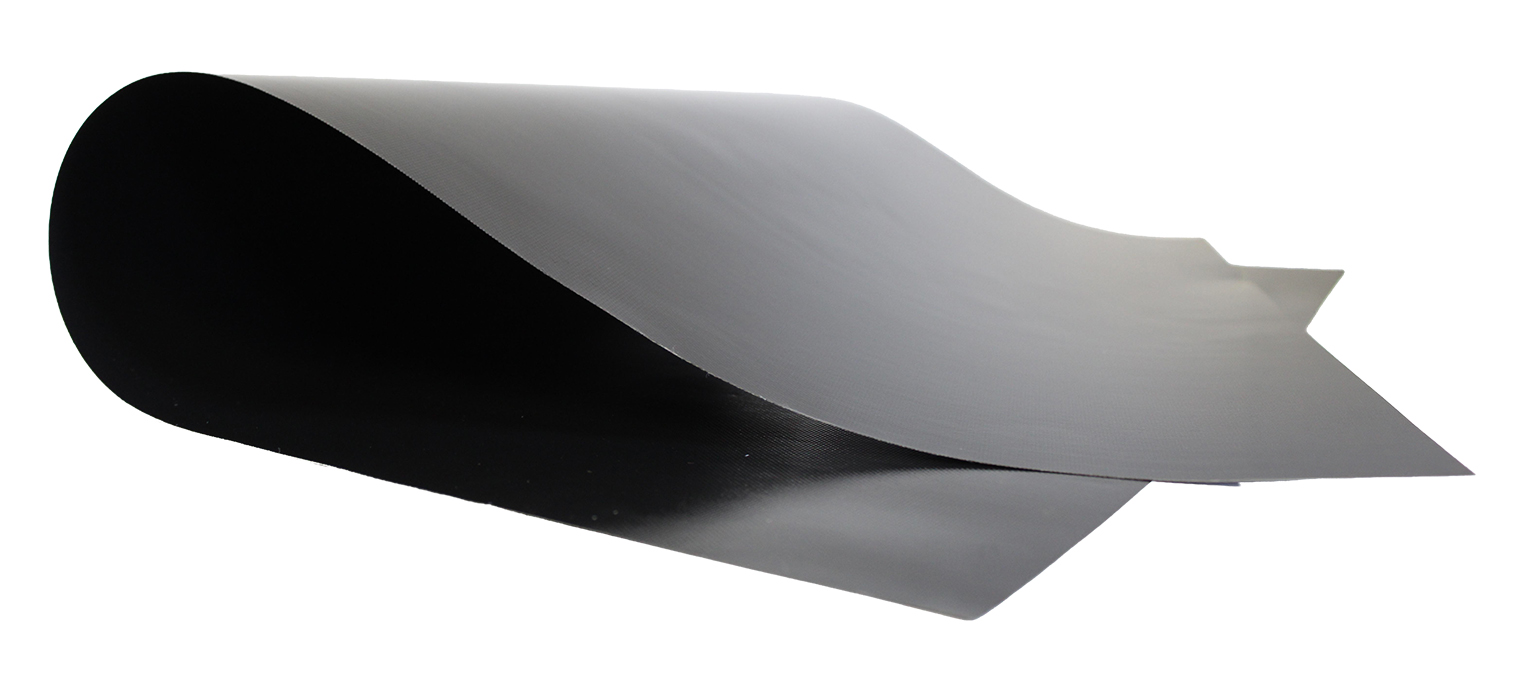
Taconic PTFE coated fiberglass fabrics are engineered for high temperature industrial applications requiring non-stick release, dimensional stability, chemical resistance, and long service life. Our PTFE fiberglass fabric materials are widely used in heat sealing, food processing, composite molding, conveyor belting, packaging, aerospace, and laminating applications.
Taconic silicone rubber coated fiberglass fabric offers a tough coated surface with high flex properties, excellent slip coefficient, outstanding release, abrasion resistance, and chemical resistance. Liquid Silicone Rubber fabric provides a non-slip surface, and select grades are approved for direct food contact.
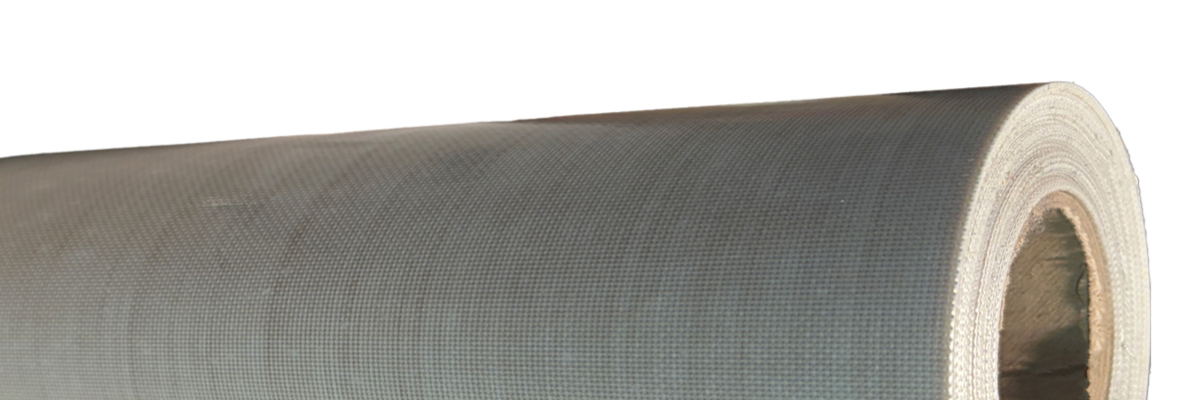
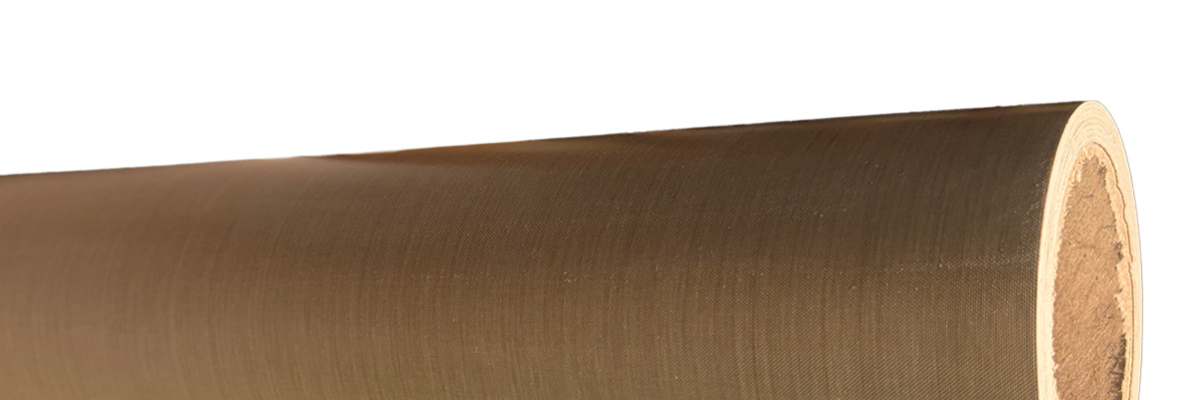
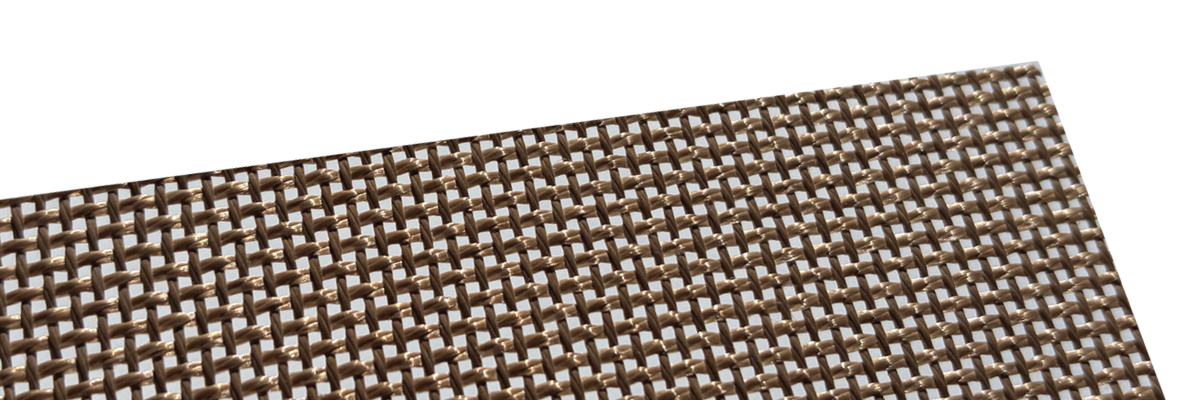
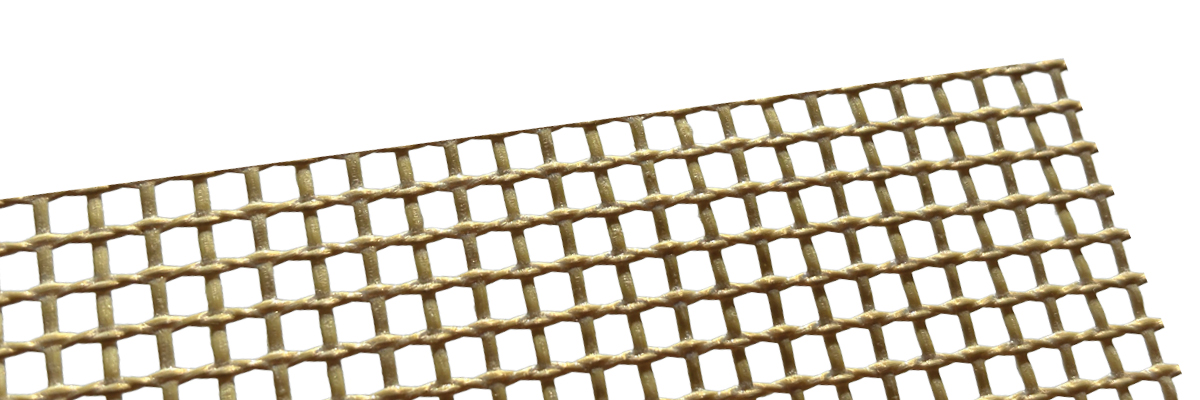
Available in multiple constructions including premium grade, open mesh, porous, anti-static, silicone coated, and crease resistant styles, Taconic coated fiberglass fabrics are designed to support demanding industrial processing environments where heat resistance, airflow, release performance, and durability are critical.
Performance Advantages
The properties that keep
production moving.
Nonstick Release
PTFE and silicone coated fabrics provide reliable release surfaces for heat sealing, lamination, molding, and food processing.
Heat Resistance
Designed for high-temperature environments where dimensional stability and consistent performance are critical.
Chemical Resistance
Engineered fabric constructions help resist harsh chemicals, oils, solvents, and demanding industrial process conditions.
Durability
Strong coated fiberglass substrates support long service life in abrasive, high-flex, and production-driven applications.
Common Applications
Proven across industries
that can't afford failure.
Taconic coated fabrics are used across industries where nonstick release, thermal stability, airflow, abrasion resistance, and dependable processing performance are essential. These PTFE coated fiberglass fabrics, PTFE glass cloth materials, and silicone coated fabrics support high temperature processing, release surfaces, belt fabrication, and demanding production environments.
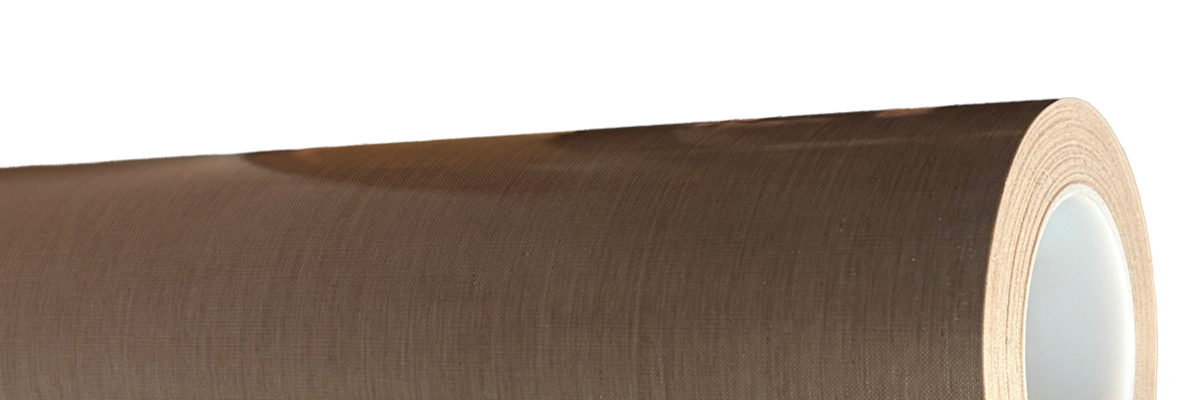
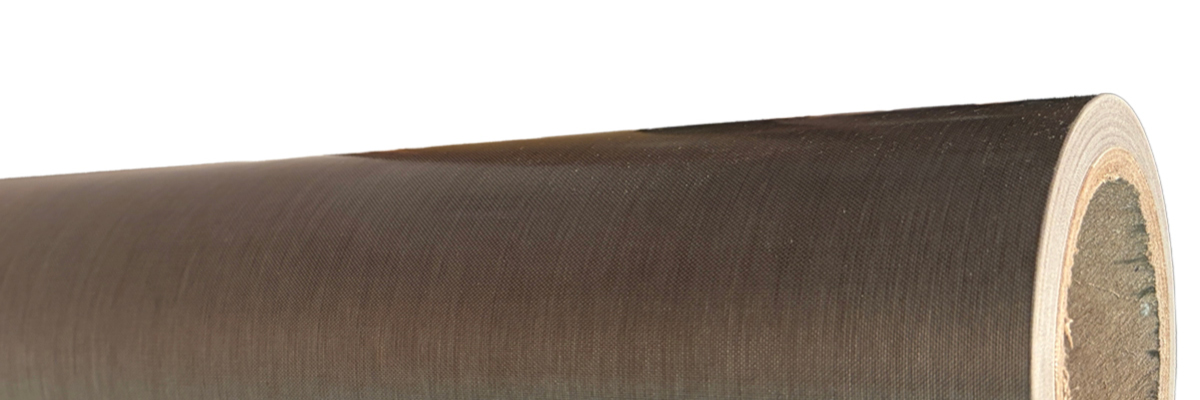
Fabric Grades
Ten grades, each built
for a different challenge.
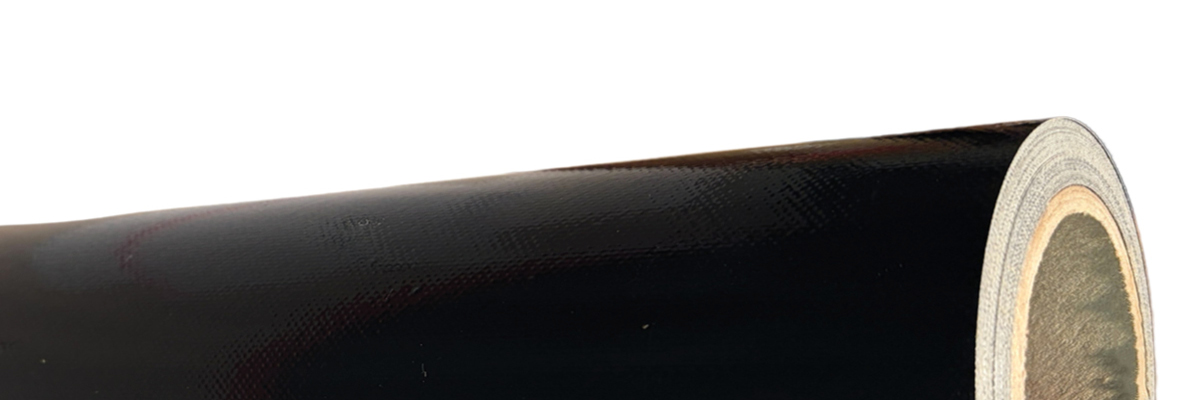
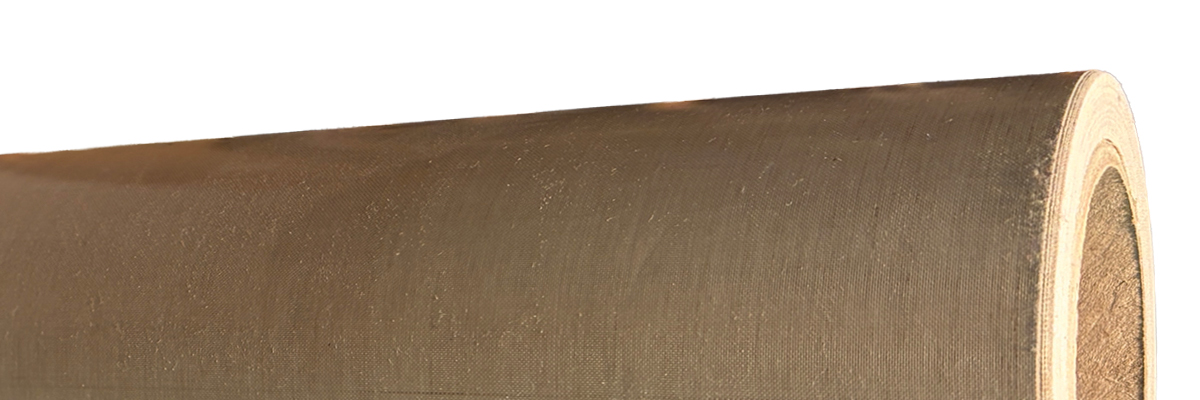
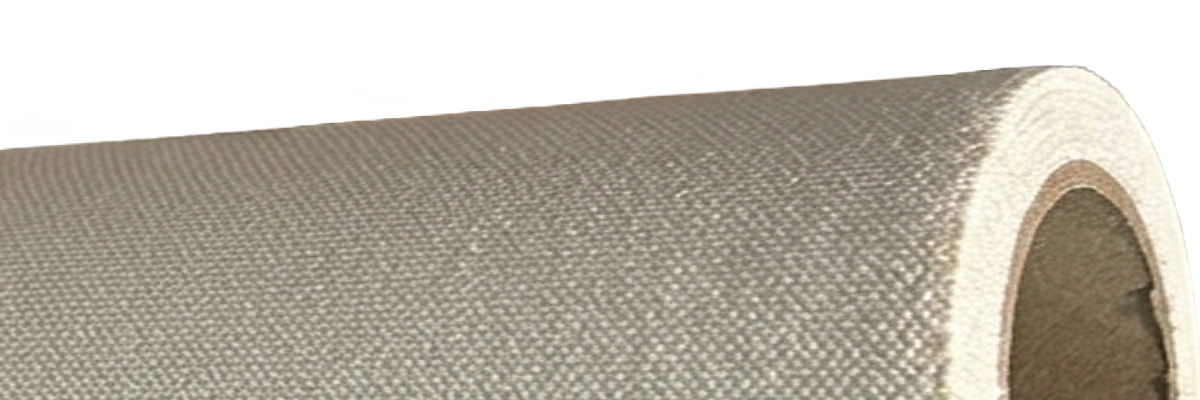
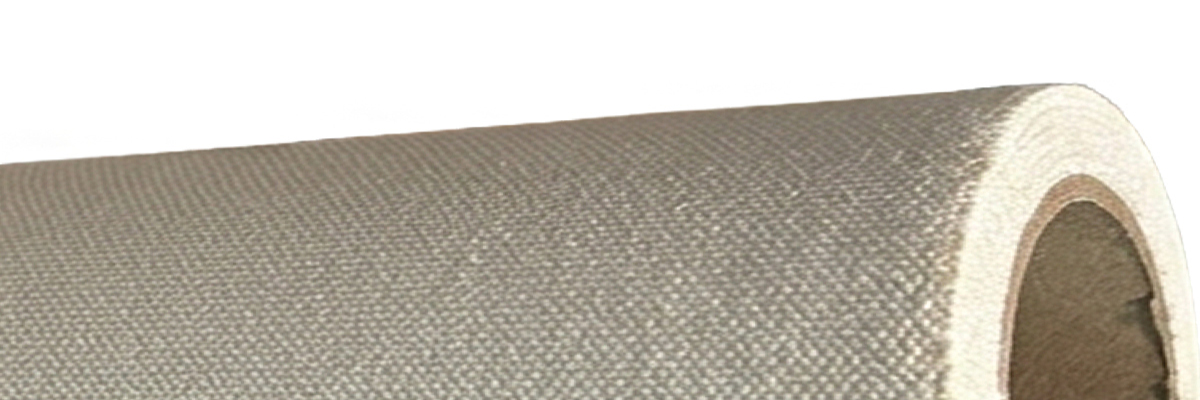
Fabric Nomenclature
Reading a Taconic
fabric part number.
Part Number Format: 7ABC
Taconic fabric part numbers help identify construction and classification.
- 7 = Fabric
- AB = Overall thickness
- C = Product classification
Example: 7039
- 7 = Fabric
- 03 = 3 mil thickness
- 9 = Premium Grade
Product Classifications
| Code | Product Grade |
|---|---|
| 9 | Premium Grade |
| 8 | Standard Grade |
| 7 | Mechanical Grade |
| 6 | Economy Grade |
| 5 | Porous Bleeder & Filter |
| 4 | Crease & Tear Resistant |
| 3 | Tac-Black™ |
| 3-AS | Tac-Black™ Anti-Static / Conductive |
| 2 | Silicone Coated |
| K | Kevlar® |
| KAS | Kevlar® Anti-Static / Conductive |
Fabric Data
Compare Taconic coated fabrics by thickness, coated weight, tensile strength, tear strength, dielectric values, operating temperature, FDA compliance, and maximum width.
Click on product number to access full product page.
The data herein are averages based on the authoritative testing of several lot numbers. This information is intended for comparison purposes only. Kevlar® is a registered trademark of E.I. du Pont de Nemours and Company.
Fabric FAQ
Common questions about
PTFE coated fabrics.
Use these answers as a starting point when selecting PTFE coated fiberglass fabric, PTFE glass cloth, silicone coated fabric, or specialty coated fabric constructions for industrial processing applications.
What is PTFE coated fiberglass fabric?
PTFE coated fiberglass fabric is a woven fiberglass substrate coated with PTFE to create a durable, high temperature, non-stick surface. It is commonly used for release sheets, heat sealing, conveyor belts, composite molding, packaging, and other industrial processing applications.
What temperature can PTFE coated fabric withstand?
Taconic PTFE coated fabrics have typical operating temperatures from -100°F to 500°F. Silicone rubber coated fabrics are typically rated from -100°F to 450°F, while other specialty constructions vary by coating type and fabric construction.
What industries use PTFE coated fabrics?
PTFE coated fabrics are used in food processing, aerospace, packaging, composite molding, PVC welding, chemical processing, lamination, drying, and conveyor belt applications where release, heat resistance, chemical resistance, or airflow are required.
What is the difference between PTFE and silicone coated fabrics?
PTFE coated fabrics are commonly selected for high temperature release, chemical resistance, low friction, and dimensional stability. Silicone coated fabrics are often selected for flexibility, grip, abrasion resistance, and applications where a tougher elastomeric surface is preferred.
Are PTFE coated fabrics FDA compliant?
Select Taconic PTFE coated fiberglass fabrics and silicone coated fabric constructions are FDA compliant for food contact applications. Always review the individual product data or contact Taconic to confirm the correct construction for your process requirements.
Have more questions?
Taconic can help match fabric thickness, coating type, release properties, surface finish, and compliance requirements to your application.
Contact TaconicReady to Get Started?
Let us match you to
the right PTFE or silicone coated fabric.
Taconic can help you identify the right PTFE coated fabric, silicone rubber coated fabric, porous fabric, open mesh material, or custom coated solution for your application.
Contact Taconic