
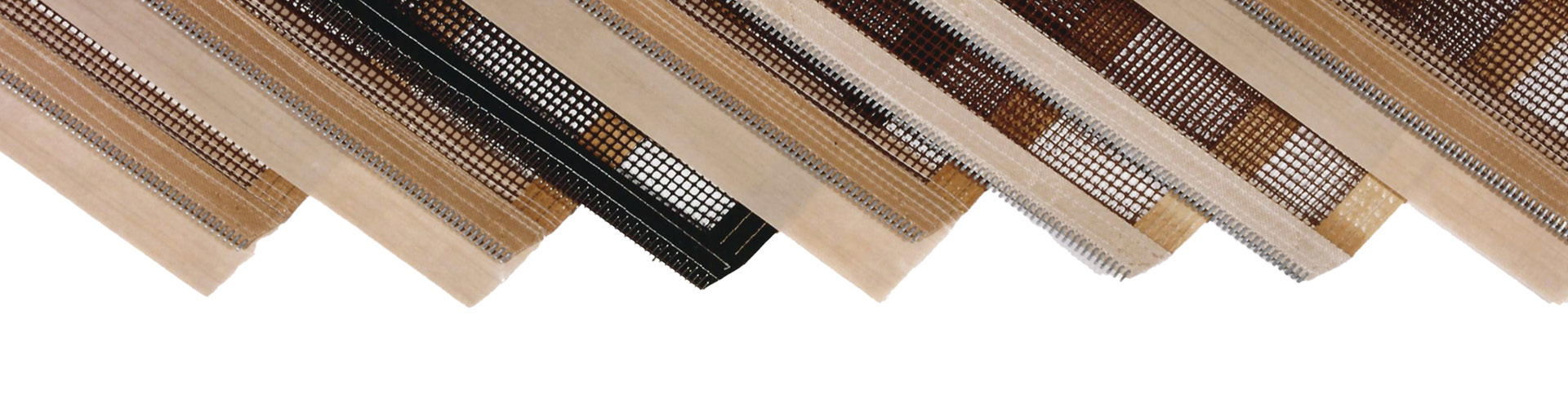
Industrial Conveyor Belting
PTFE Coated Fiberglass Belts & Silicone Rubber Coated Belts
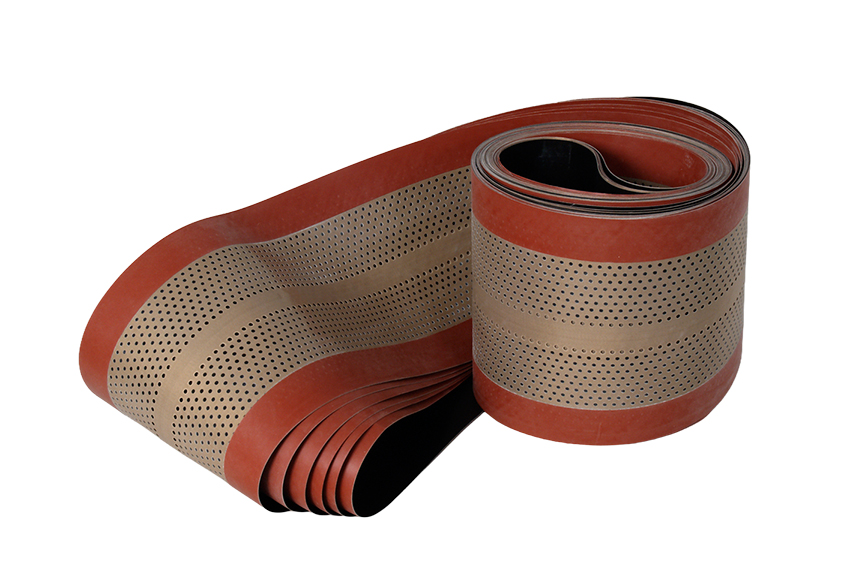
Taconic PTFE coated conveyor belts, PTFE coated fiberglass belts, and silicone rubber coated conveyor belts are engineered for high temperature industrial processing applications requiring non-stick release, dimensional stability, chemical resistance, airflow, durability, and reliable conveying performance.
Our PTFE fiberglass conveyor belts and non-stick process belts are widely used in food processing, heat sealing, packaging, drying, curing, laminating, textile processing, composite manufacturing, tortilla production, and high-speed industrial conveying systems.
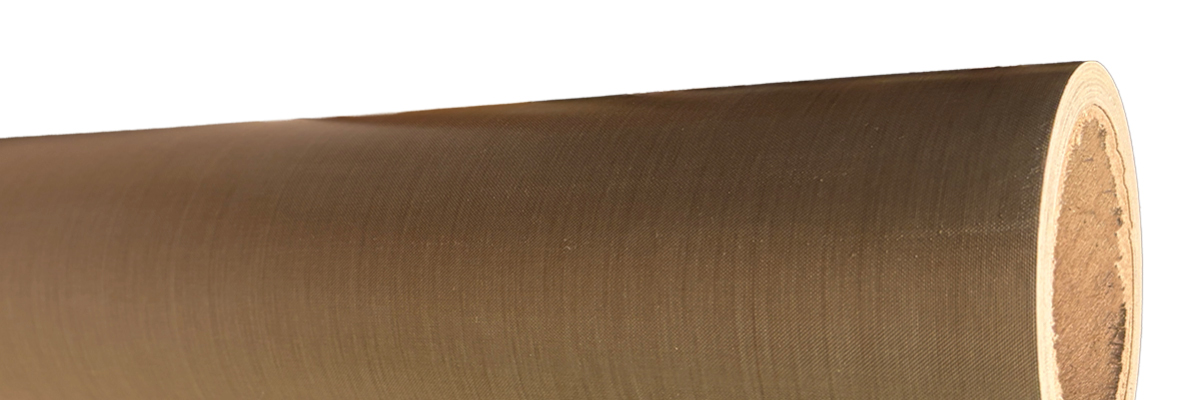
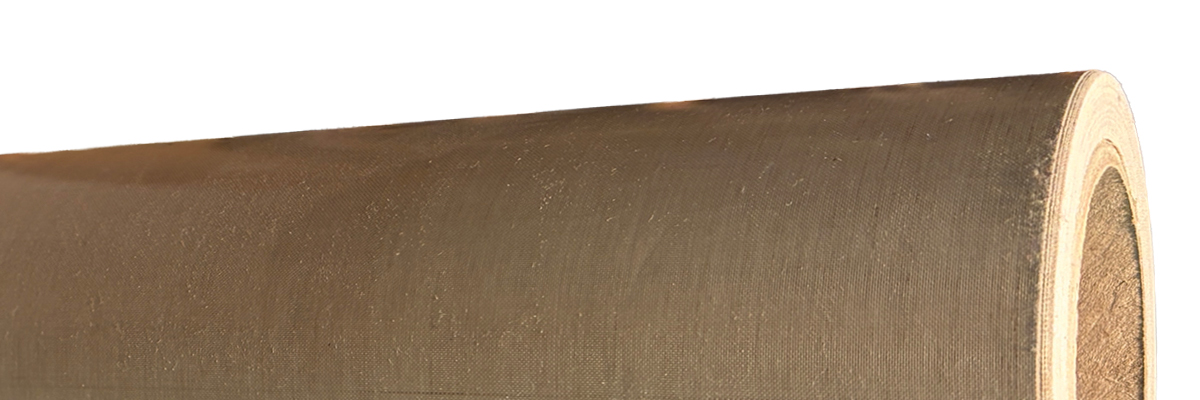
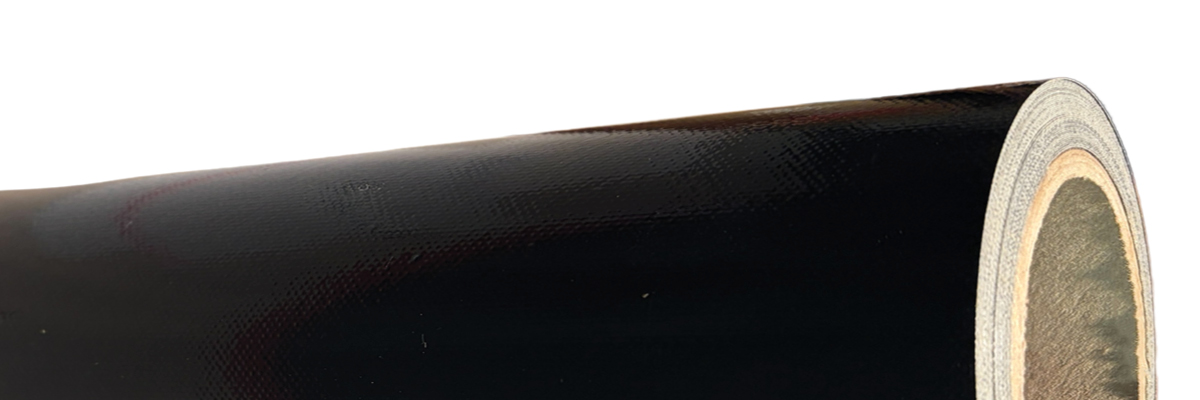
Available in premium, standard, textured, anti-static, porous open mesh, silicone coated, and specialty constructions, Taconic industrial belting solutions are designed to support demanding manufacturing environments where heat resistance, release performance, airflow, tracking accuracy, and long-term durability are critical.
Performance Advantages
Performance built for
what never stops running.
Nonstick Release
PTFE and silicone coated belting surfaces provide reliable release for high-temperature conveying, food processing, heat sealing, and production applications.
Heat Resistance
Engineered belt constructions support consistent performance in demanding environments involving heat, pressure, and continuous operation.
Dimensional Stability
Strong coated fiberglass substrates help belts maintain shape, tracking, and performance during high-speed and high-temperature processing.
Durability
Durable coating systems and reinforced constructions help extend belt life in abrasive, repetitive, and production-driven applications.
Common Applications
Conveying, sealing & drying...
across every shift.
Taconic coated belting solutions are used across industries requiring dependable release, dimensional stability, heat resistance, airflow, belt tracking, and consistent conveying performance. These PTFE conveyor belts, PTFE mesh belts, silicone coated belts, and custom fabricated process belts support continuous operation in high temperature manufacturing environments.
Belt Grades
Match the belt grade
to the job at hand.
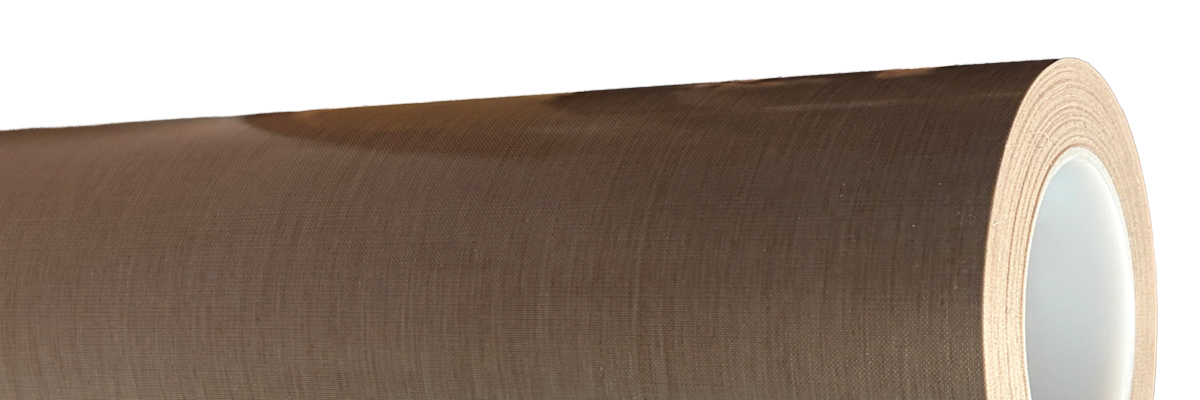
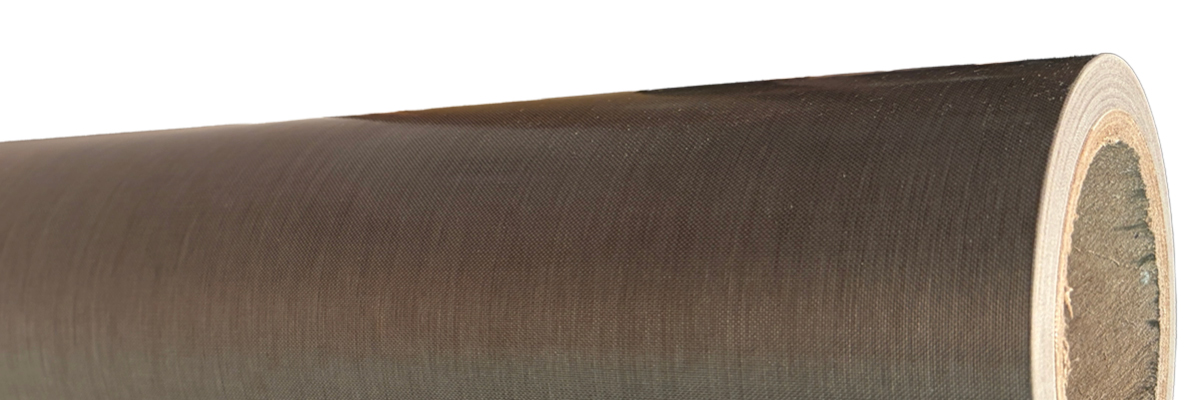
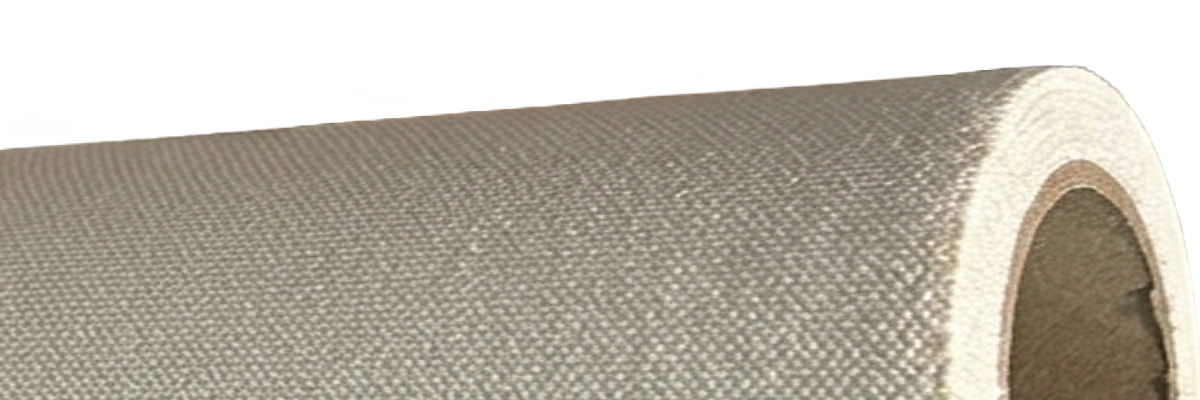
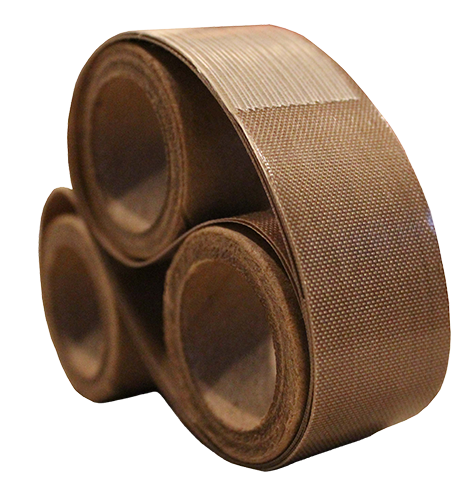
Specialty Construction
2-Ply
Belts
Two plies of PTFE coated fiberglass are laminated together with staggered splices to provide smooth, continuous thickness along the entire belt length. This helps provide a uniform seal in packaging and heat sealing applications. Belts are typically available in widths of 1/2” to 3”.
Fabrication Options
Every splice style,
built to your spec.
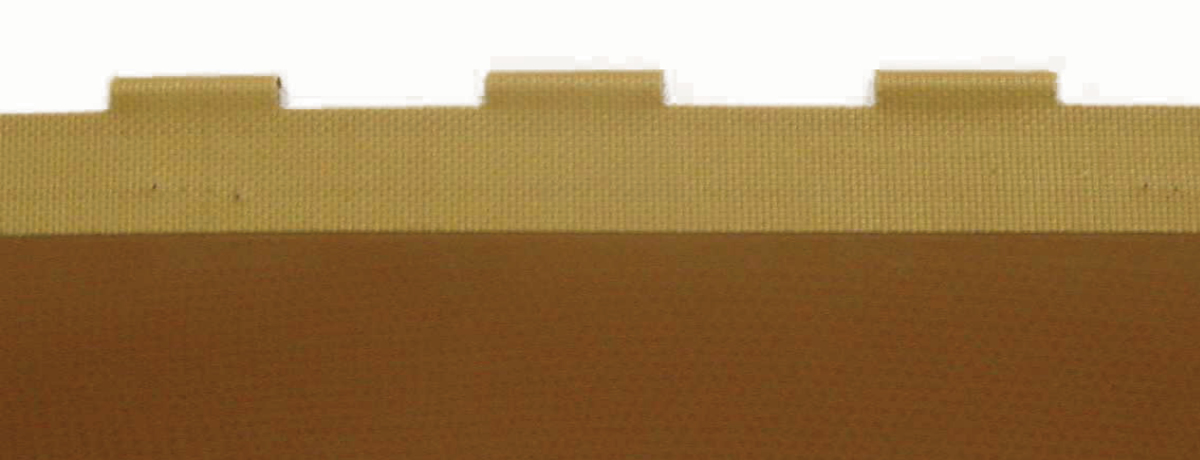
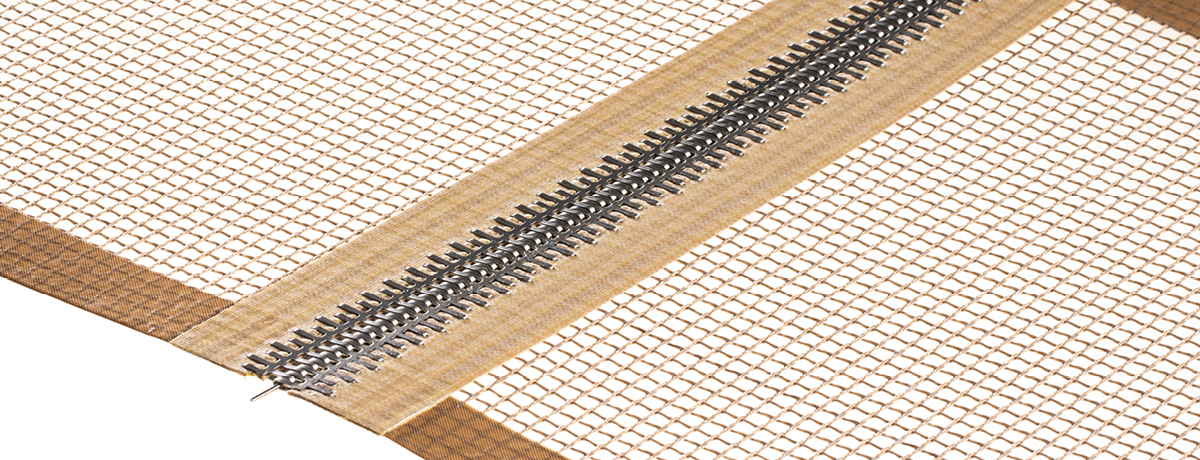
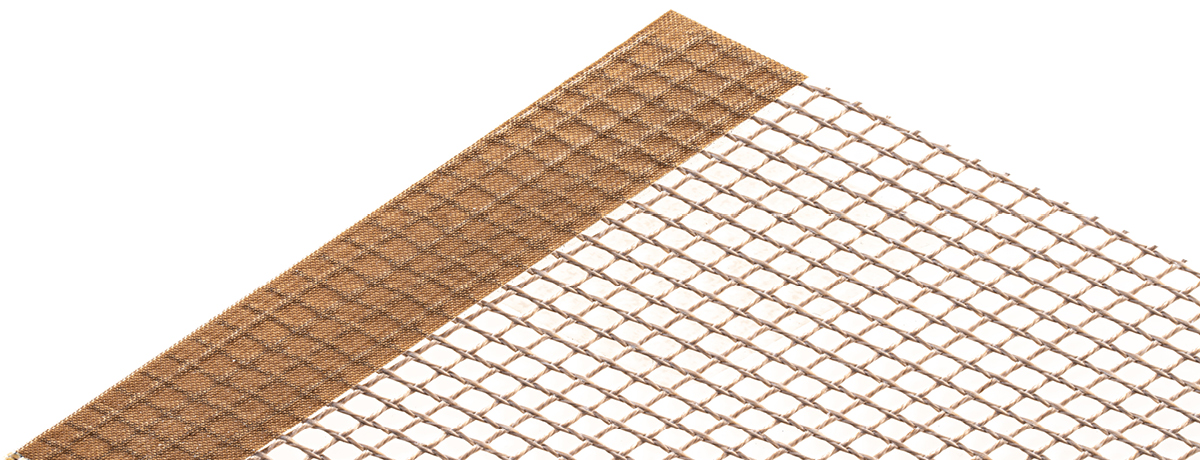
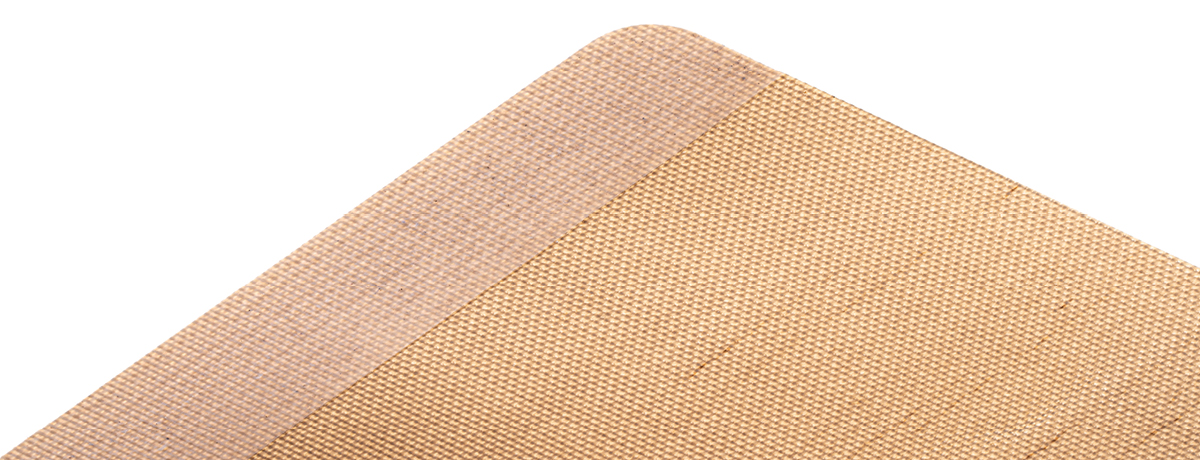
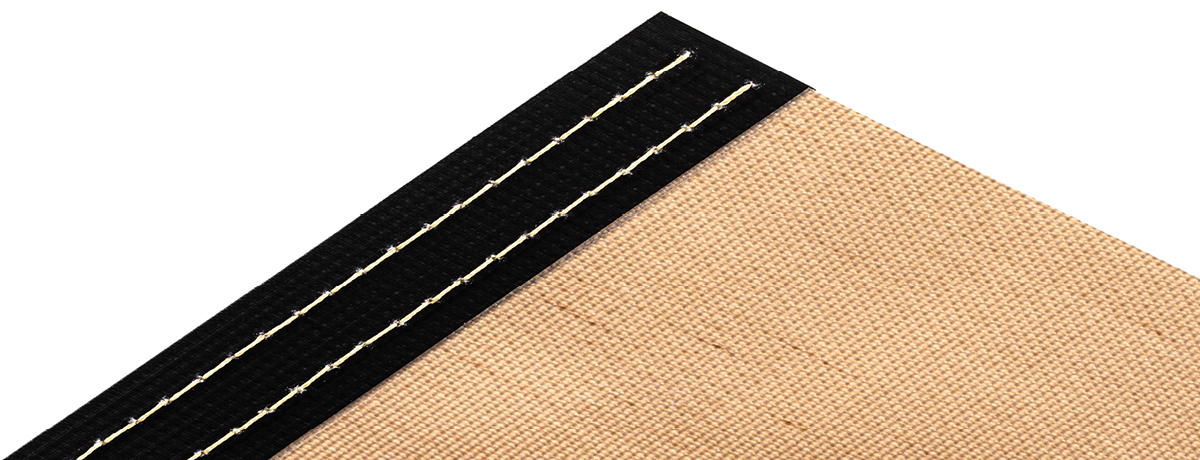
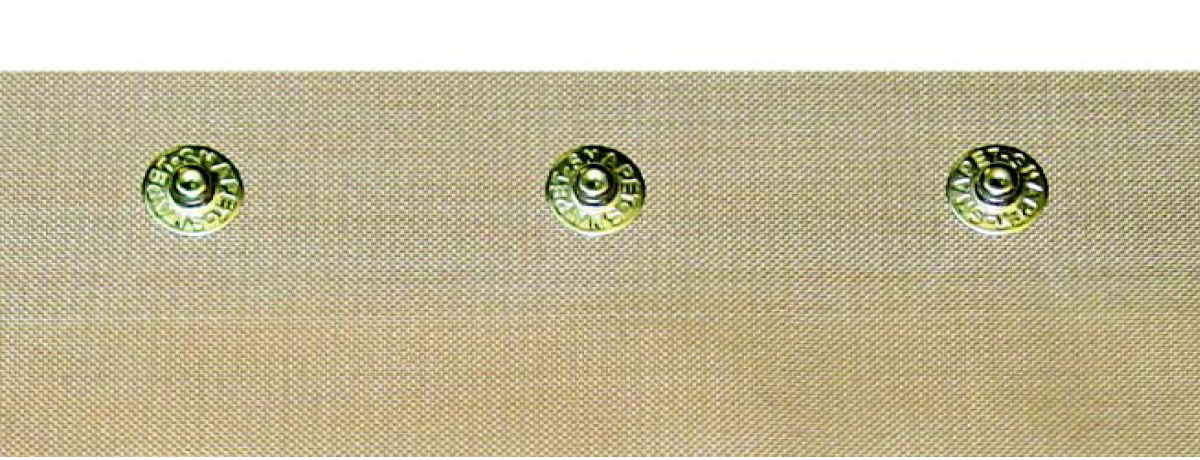
Taconic offers metallic, non-metallic, endless and open splices to accommodate your unique belting requirements.

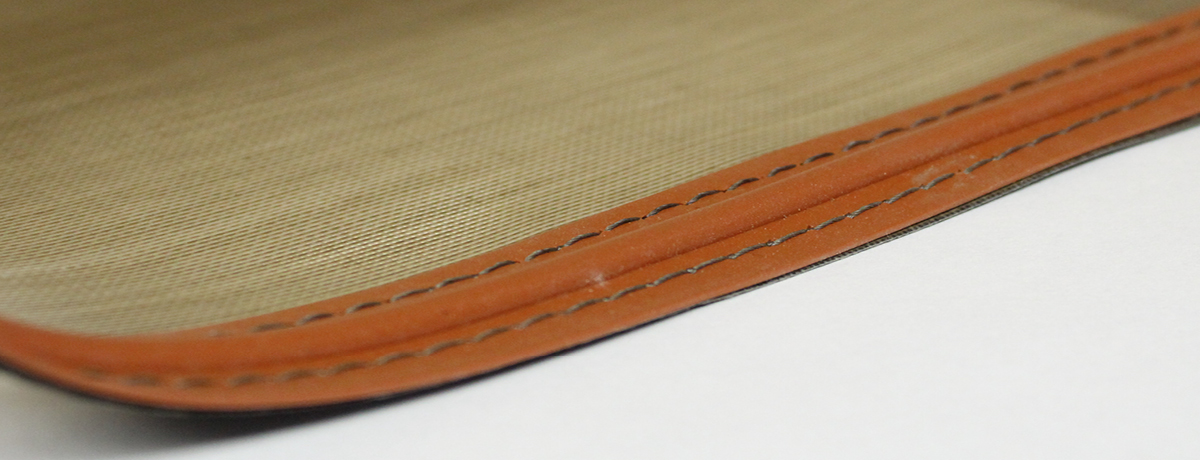
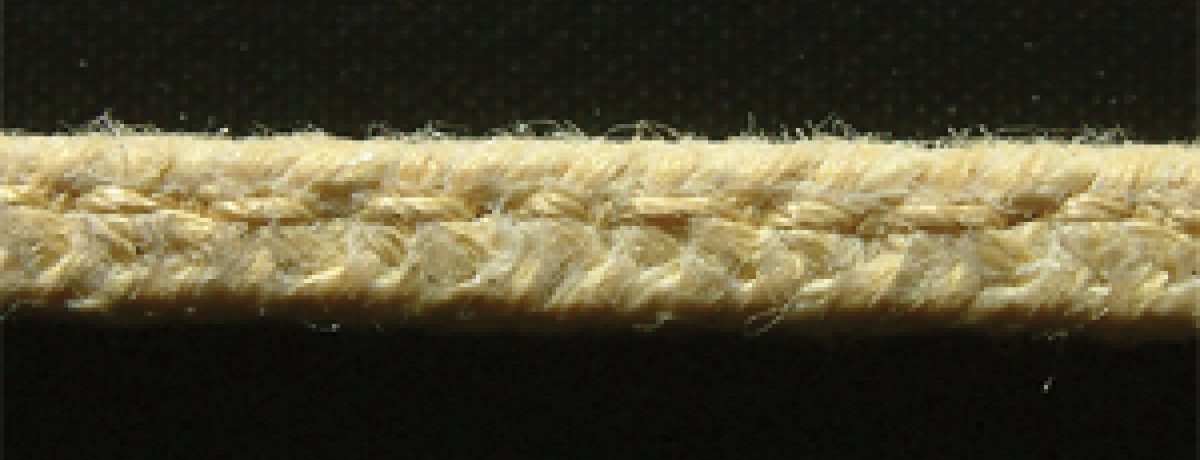
Edge Reinforcements, Tracking & Guiding
Edges, guides, and hardware
that hold the line.

Selection Guide
Four factors that determine
your best belt.
Temperature Range
PTFE and silicone rubber coated belts can withstand continuous temperatures from -100°F to 500°F.
Pliability
Pulley diameter is critical. Thinner materials, including 0.010” and under, are more pliable than heavier coated fabrics.
Release Qualities
Surface finishes range from rough, semi-porous finishes to super smooth release surfaces.
Strength
Tensile and tear strength should match the load weight, belt speed and tension of the application.
Belt Data
Compare Taconic belting materials by thickness, coated weight, tensile strength, and tear strength.
Click on product number to access full product page.
The data herein are averages based on the authoritative testing of several lot numbers. This information is intended for comparison purposes only. Kevlar® is a registered trademark of E.I. du Pont de Nemours and Company.
Belting FAQ
Questions about PTFE conveyor belts
and silicone coated belts.
What are PTFE coated conveyor belts used for?
PTFE conveyor belts are used in applications requiring non-stick release, heat resistance, chemical resistance, dimensional stability, airflow, and dependable conveying performance. Common uses include food processing, heat sealing, packaging, drying, curing, laminating, and high temperature industrial processing.
What temperature can PTFE belts withstand?
Many Taconic PTFE and silicone rubber coated belts are designed for continuous operating temperatures from -100°F to 500°F, depending on the belt construction, application conditions, and process requirements.
What is the difference between PTFE and silicone conveyor belts?
PTFE coated conveyor belts provide excellent non-stick release, low friction, chemical resistance, and heat resistance. Silicone rubber coated belts offer strong grip, flexibility, abrasion resistance, release performance, and durability where traction or surface control is important.
What are open mesh PTFE coated belts?
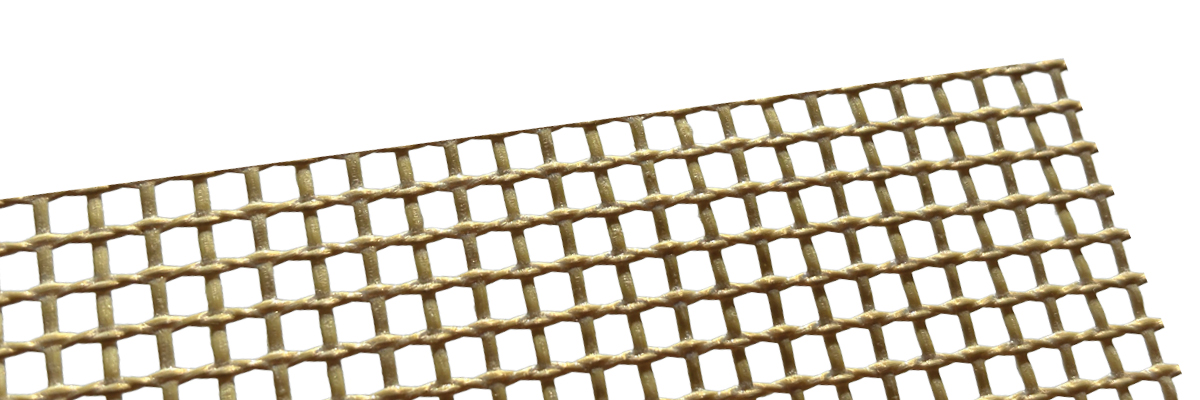
Open mesh PTFE belts use an open fabric construction that allows airflow through the belt. They are commonly used in drying, curing, bonding, textile processing, and applications where airflow and heat transfer are important.
What splice options are available?
Taconic offers metallic, non-metallic, endless, and open splice options, including alligator, clipper, PEEK lacing, fabric notched, butt, overlap, and scarfed splice constructions depending on the belt and equipment requirements.
How do I choose the right conveyor belt material?
The right conveyor belt material depends on temperature, pulley diameter, release requirements, airflow, tensile strength, tear strength, belt speed, tracking needs, splice style, edge reinforcement, and whether the application requires PTFE, silicone rubber, porous, open mesh, anti-static, or specialty construction.
Ordering Your Taconic Belt
Please have the belt dimensions, desired splice, edge reinforcement, tracking devices and any special fabrication instructions available when requesting a custom belt.
Drive pulley recommendations: minimum drive pulley diameter is 6” for heavyweight belting and 3” for all other materials.
Ready to Get Started?
Ready to spec your
custom PTFE or silicone coated belt?
Taconic can help you identify the right PTFE coated belt, silicone rubber coated belt, open mesh belt, or custom fabricated belting solution for your application.
Contact Taconic