
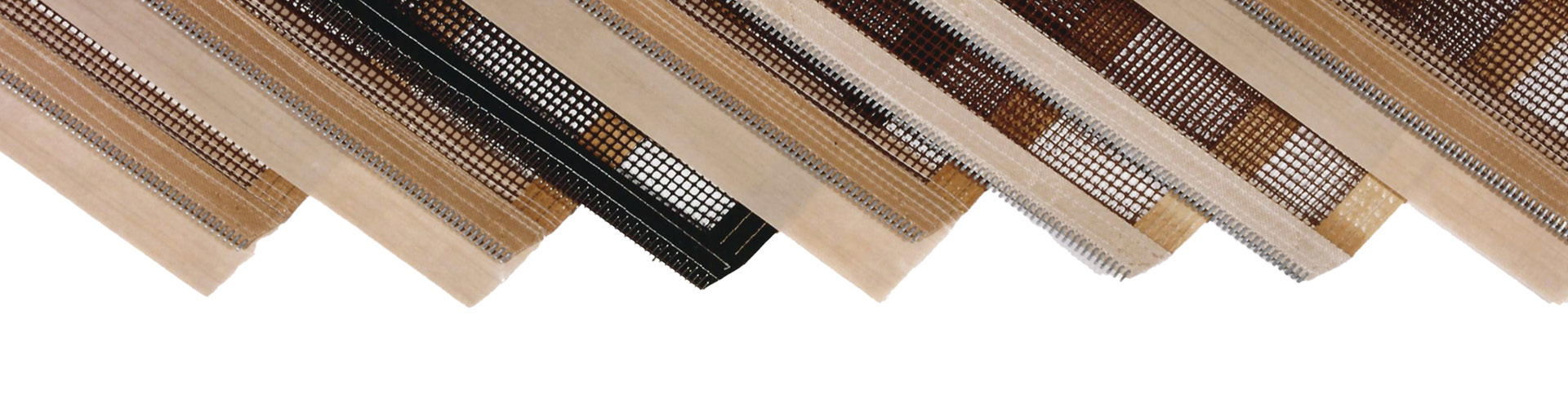
Open Mesh Belting
Open Mesh
PTFE Coated
Fiberglass & Kevlar®
Belting
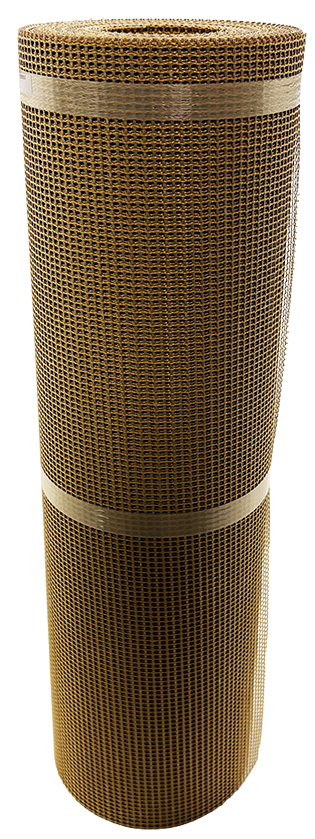
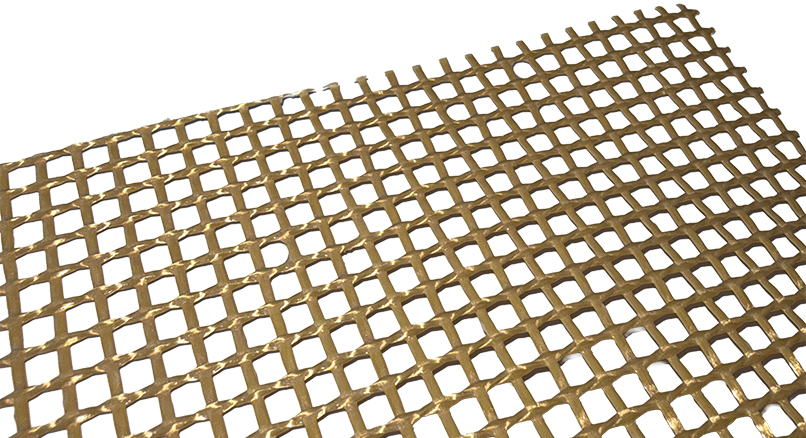
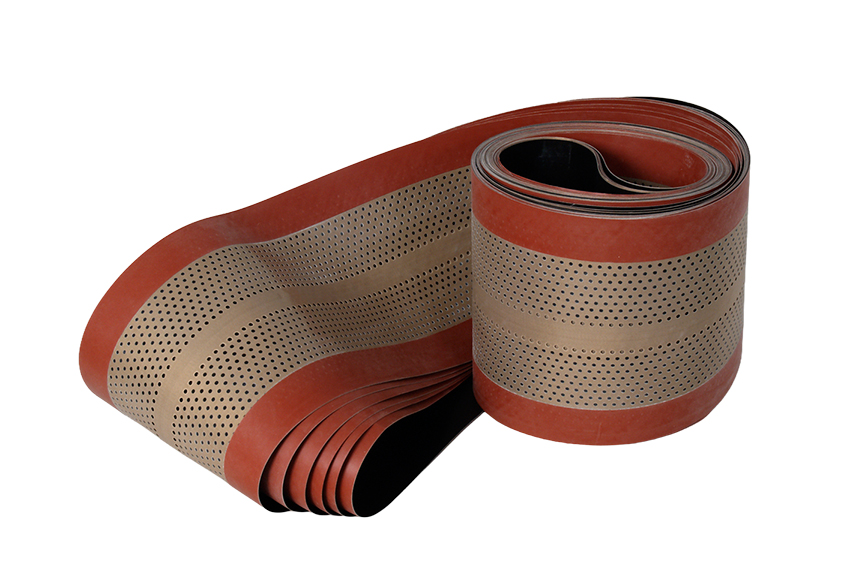
Taconic open mesh belting is engineered for conveyor applications requiring airflow, heat transfer, drying efficiency, and high-temperature release performance.
Available in PTFE coated fiberglass, PTFE coated Kevlar®, and Kevlar® glass constructions, open mesh belts allow air to move through the belt while supporting continuous conveying.
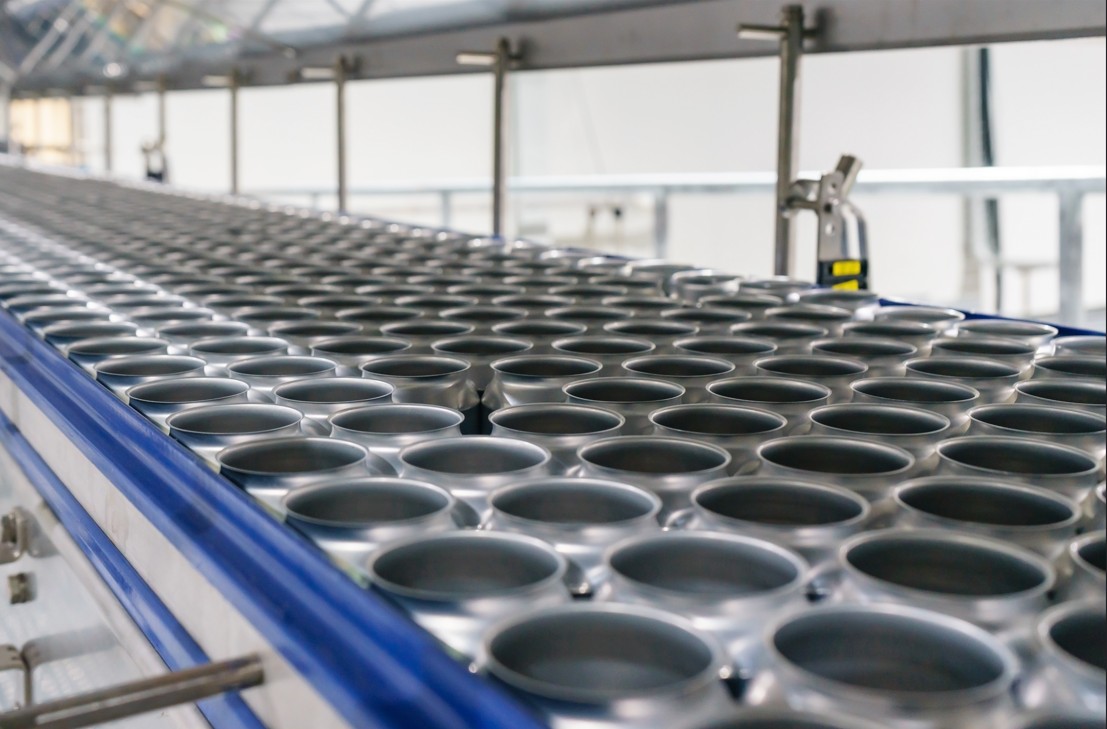
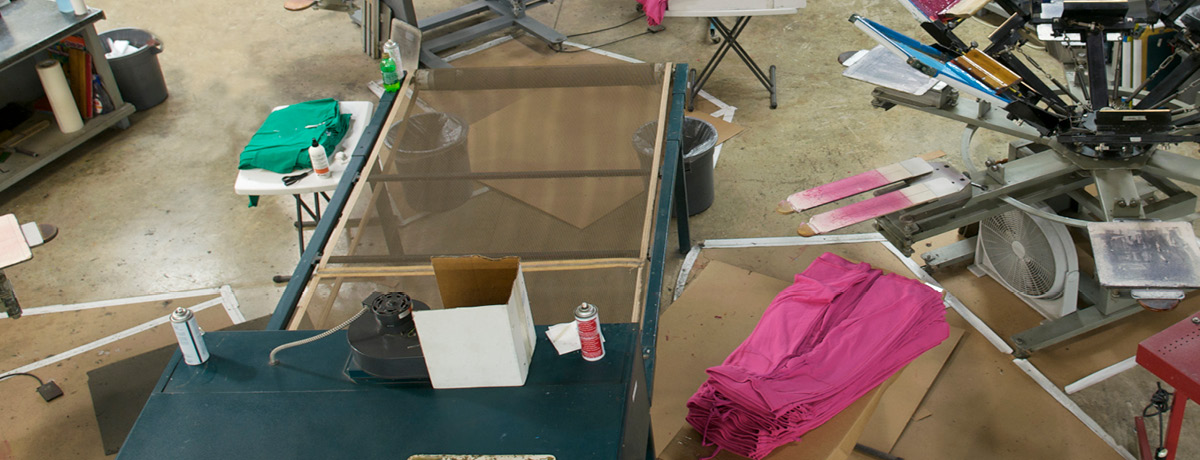
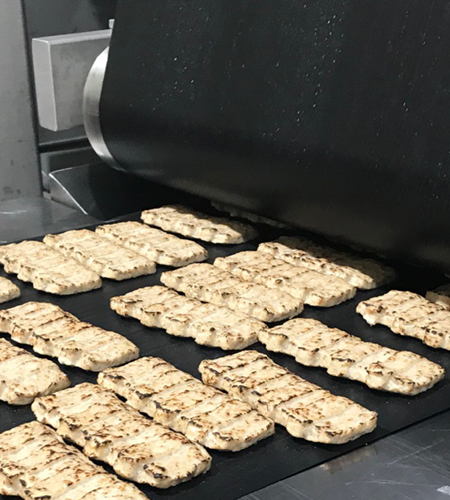
Open mesh belts are used in drying, curing, textile processing, food processing, screen printing, packaging, bonding, and other processes where ventilation and release are required.
(Kevlar® is a registered trademark of E.I. du Pont de Nemours and Company.)
Performance Advantages
Why choose this
belt construction?
Airflow
Open mesh construction allows air to move through the belt during drying, curing, and cooling.
Heat Transfer
Supports efficient thermal movement through the belt surface.
Kevlar® Options
Kevlar® reinforced constructions provide added strength for demanding belt applications.
Conveyor Performance
Provides dimensional stability, release, and process reliability for open mesh belt systems.
Available Constructions
Choose the right
belt construction.
Common Applications
Built for focused
industrial use cases.
Open mesh belts are used where airflow, heat transfer, release performance, and continuous conveying support drying, curing, and processing.
Product Values
Open Mesh
PTFE coated fiberglass
& Kevlar® belting
products and specifications.
Compare open mesh belt products by construction, part number, thickness, coated weight, and tensile strength.
Product numbers link to product pages with additional information and data sheets.
| Description | Part Number | Nominal Thickness (Inches) | Coated Weight (lbs/sq yd) | Tensile Strength Warp/Fill (lbs/inch) |
|---|---|---|---|---|
| PTFE/Glass | ||||
| Porous - PTFE / Fiberglass | 8115 | 0.013 | 0.77 | 250/215 |
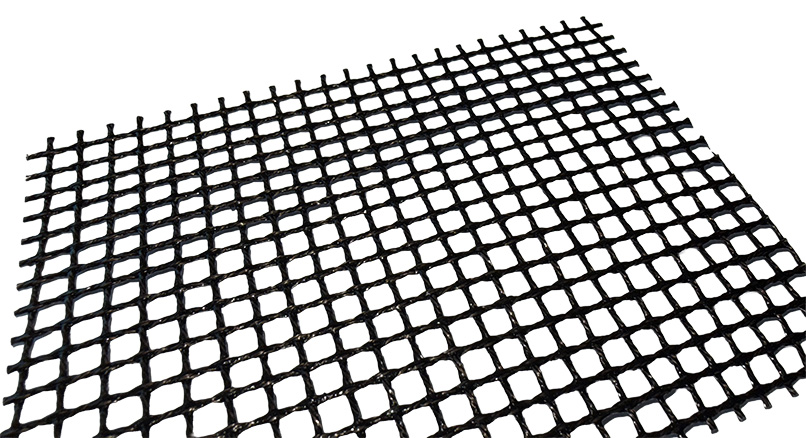
| Open Mesh Belting — PTFE / Glass Tan | 8195 | 0.019 | 0.95 | 200 / 190 |
| Open Mesh Belting — PTFE / Glass Black | 8303 | 0.035 | 0.90 | 225 / 225 |
| Open Mesh Belting — PTFE / Glass Brown | 8308 | 0.035 | 0.90 | 225 / 175 |
| Open Mesh Belting — PTFE / Glass Tan | A970 | 0.033 | 0.89 | 225 / 175 |
| PTFE/Kevlar® & Kevlar®/Glass | ||||
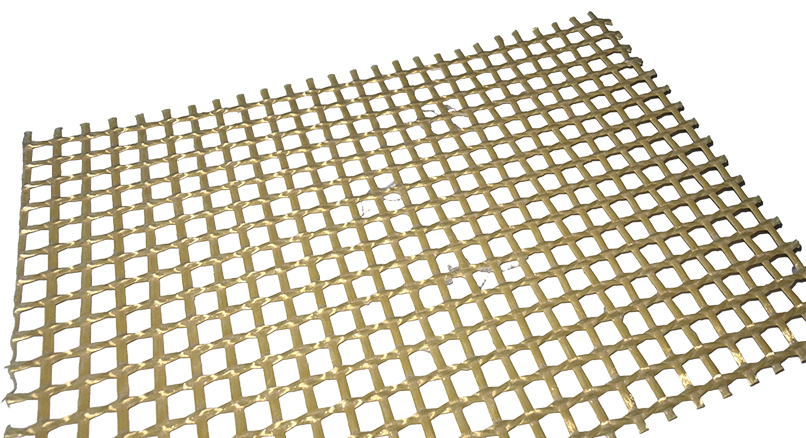
| Open Mesh Belting — PTFE / Kevlar® Gold | 8305K | 0.035 | 0.62 | 450 / 350 |
| Open Mesh Belting — PTFE / Kevlar® Black Anti-Static | 8305KAS | 0.035 | 0.60 | 450 / 350 |
| Open Mesh Belting — Kevlar® Glass Brown | A1087 | 0.039 | 0.67 | 600 |
| Open Mesh Belting — Kevlar® Glass Gold | 8305KG | 0.035 | 1.25 | 450 / 600 |
The data herein are averages based on the authoritative testing of several lot numbers. This information is intended for comparison purposes only.
Kevlar® is a registered trademark of E.I. du Pont de Nemours and Company.
Belting FAQ
Common questions about
Porous & Open Mesh belting.
What is open mesh belting used for?
Open mesh belting is used for drying, curing, food processing, textile processing, screen printing, packaging, bonding, and applications requiring airflow through the belt.
Why use Kevlar® open mesh belting?
Kevlar® reinforced open mesh belting provides additional strength and durability for high-tension or demanding conveyor applications.
How is open mesh belting different from solid PTFE belting?
Open mesh belting allows airflow through the belt, while solid PTFE belting provides a continuous coated release surface.
Need help selecting a belt?
Taconic can help match belt material, surface texture, splice type, edge reinforcement, and operating conditions to your application.
Contact TaconicRelated Belt Pages
Explore more
industrial belting options.
Industrial Belting
Ready to spec your
custom conveyor belt?
Taconic can help match belt grade, surface texture, splice style, edge reinforcement, tracking requirements, and operating conditions to your application.
Request a Quote